







Search Results for: More Yogurt

Shanghai Consumer Council Once Again Calls Out Trendy Tea Drinks: Mango Yogurt Smoothie Ingredients of More Yogurt Under Scrutiny
Following the case of Shuyi Burning Grass Jelly, the Shanghai Consumer Council on March 13 once again turned its attention to the internet-famous tea beverage brand More Yogurt, focusing on the ingredient composition of its "Mango Yogurt Smoothie." Testing by the Consumer Council found that the drink contained only a small amount of yogurt yet had unusually high fat content, and despite being labeled as having no added sugar, sucrose and maltose were still detected. The Consumer Council questioned the source of this excess fat and sugar and demanded that More Yogurt explain to consumers "what was added." The incident quickly sparked widespread discussion and trended on Weibo. This article sorts through the testing data and science popularization information released by the Consumer Council to present the full picture of the incident. For readers interested in coffee and beverage industry trends, Front Street Coffee also continues to follow such food safety topics and advocates transparent consumption. [more…]
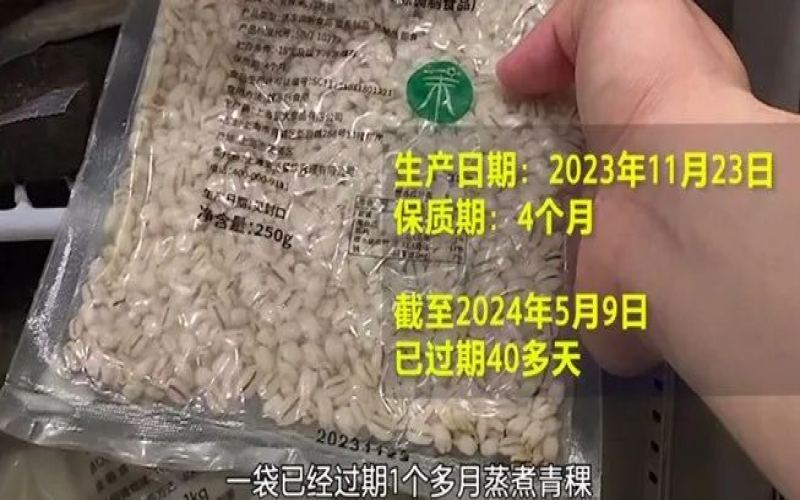
More Yogurt Exposed for Illegal Use of Expired Ingredients, Brand Issues Urgent Apology and Permanently Terminates Involvement with the Store
The freshly made yogurt sector has been hit by yet another food safety scandal. An undercover reporter from The Beijing News worked inside several More Yogurt franchise stores in Beijing and found that oat and highland barley toppings more than forty days past their expiration date were still being used as usual, expiry labels existed in name only, and decisions to scrap fruit relied entirely on staff members' sense of smell. More worrying still, these violations were not isolated cases, but an unspoken rule tolerated by store managers in order to cut costs and boost their personal income. The brand issued an urgent apology a few hours later, announcing that the stores involved would be permanently terminated. This is already the second time this year that More Yogurt has been thrust into the spotlight; previously, the Shanghai Consumer Council questioned the labeling of its product ingredients. This article provides a complete rundown of the undercover details, the brand's response, and the latest status of its stores. [more…]

Blueglass Yogurt Fined 400,000 Yuan for Advertising Violations, Product Still on Sale After Renaming
Well-known yogurt brand Blueglass was fined 400,000 yuan by the Beijing Chaoyang District Market Supervision Administration for an advertisement that carried hints about male function. In May of this year, the brand launched the "Superboy Boyfriend Power Wins a Round" series, adding ingredients such as cistanche, polygonatum, and ginseng, and paired it with advertising slogans such as "I won't sell to anyone under 18," which sparked consumer backlash. Regulators determined that its advertisement was vulgar, bordered on pornography, and violated public order. After the case came to light, the brand removed the related advertisement, but recently reporters found that the ad image still exists in the mini-program, and the product has been renamed "Good Spirit Wins a Round," while the ingredients still include maca, deer penis, and other components. As coffee enthusiasts, we pay attention to the boundaries and compliance issues of brand marketing. [more…]

Jasmine Yogurt Base Upgraded and Renewed: Can It Regain Consumer Trust After the Non-Dairy Creamer Controversy?
Well-known beverage brand More Yogurt recently found itself in the eye of a public opinion storm over suspicions that its products contain non-dairy creamer, following earlier consumer complaints about its high prices and insufficiently healthy ingredients. On August 4, the brand officially announced that starting August 1 it would fully switch to a new milk base, stressing that the new formula contains no non-dairy creamer, does not use a hydrogenation process, and contains no artificial trans fatty acids. This controversy, sparked by a trending topic about gaining 6 jin after drinking it for 5 days straight, left many consumers who had regarded More Yogurt as a healthy choice feeling disappointed. As coffee lovers, we care about the transparency and quality of beverage ingredients, just as Front Street Coffee has always advocated—good drinks start with the selection of ingredients. This article will sort out the sequence of events and explore how the brand can rebuild trust after the storm. [more…]
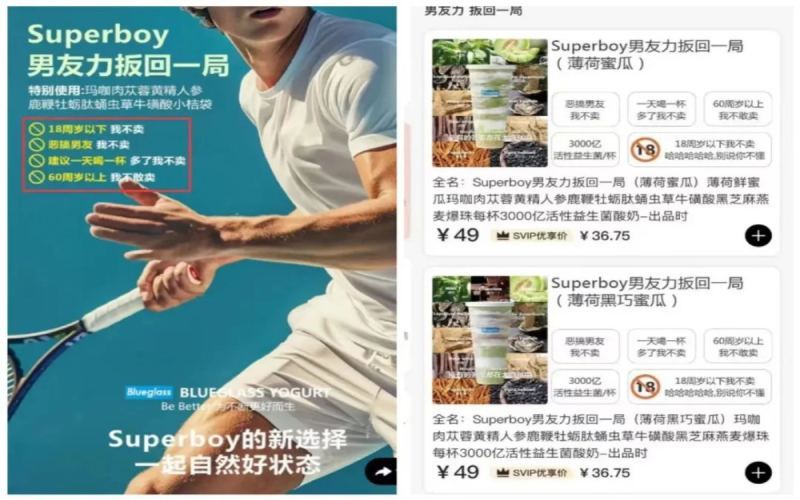
Yogurt brand Blueglass launches "Boyfriend Power" series, controversial suggestive advertising triggers dispute and regulatory investigation
Recently, the yogurt brand Blueglass launched the "Superboy Boyfriend Power Comeback" series, adding traditional Chinese medicine ingredients such as Cistanche, Polygonatum, ginseng, deer whip, and oyster peptides. The intention might have been to promote a health concept, but it was questioned for borderline marketing due to the poster labeling it "18+" and suggestive copy. Similarly, Coconut Palm brand coconut juice was fined 400,000 yuan for vulgar advertising slogans, yet it generated over 5 billion yuan in sales. In an era where traffic is king, eye-catching marketing emerges endlessly, but not all of it yields good results. After Blueglass was exposed, the Shanghai Municipal Administration for Market Regulation has launched an investigation, and the relevant copy was revised and republished. However, the negative label brought by borderline marketing may not be easily erased from consumers' minds. [more…]
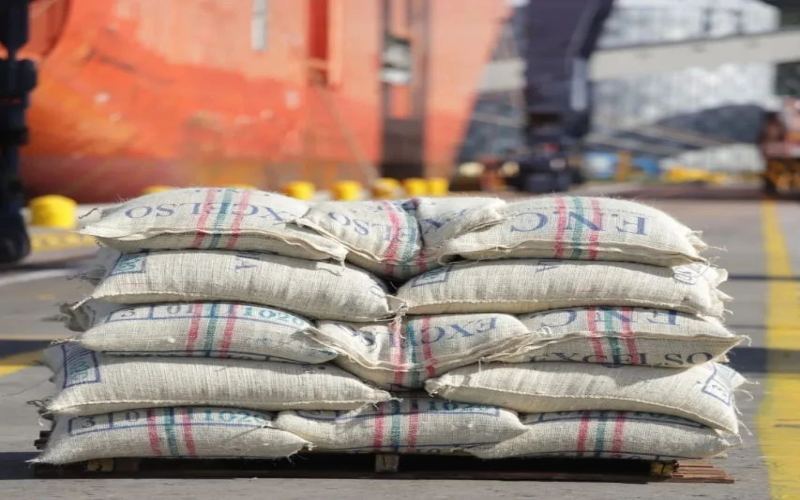
Flavor Analysis of Colombia Finca El Paraiso Sakura Anaerobic Beans and Castillo Variety Characteristics
Front Street Coffee has previously offered several Colombian coffee beans, among which the Sakura anaerobic beans from Finca El Paraiso have a unique aroma with a faint hint of mugwort. This article will guide you through the background of Finca El Paraiso, the characteristics of the Castillo variety, and Front Street's cupping and brewing process for this Sakura coffee. In addition, Front Street also evaluated the Strawberry Yogurt double anaerobic washed beans from the same estate and attempted to make them into an SOE. Through this article, you will gain an in-depth understanding of the flavor performance of Finca El Paraiso coffee and Front Street's selection standards. [more…]
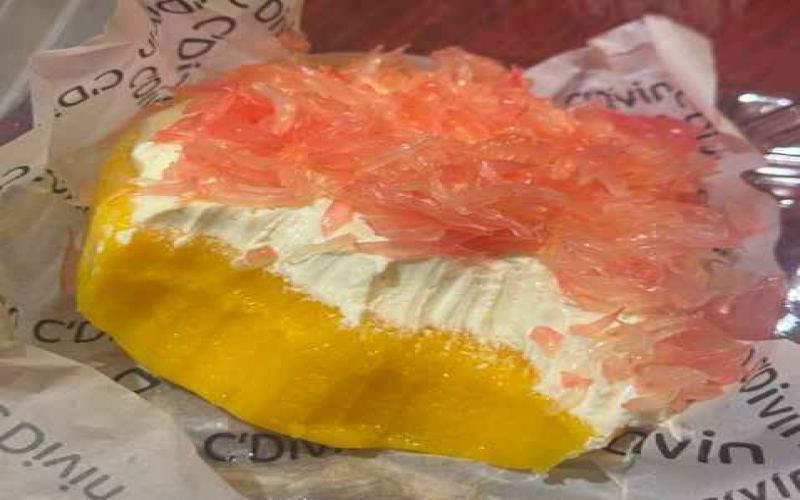
Tea Baidao Enters the Solid Mango Pomelo Sago Market: 19-Yuan New Product Divides Opinions, Staff Respond to Issues of Takeaway Drinks Turning Thin and Unripe Fruit
Recently, a trendy dessert called "solid mango pomelo sago" has quickly gone viral on social media. Its form falls somewhere between a drink and a traditional dessert, prompting many netizens to share photos of it. The chain tea brand ChaPanda seized the opportunity to launch its own version, officially priced at 19 yuan, and after discounts it can cost as little as a single-digit price, which many consumers consider quite cost-effective. However, after the new product hit the market, reviews were polarized: some praised it for its generous ingredients and sweet-and-sour taste resembling a dessert, while others complained that the actual product differed noticeably from the promotional images, jokingly calling it "fruit topping porridge" or "mango pomelo sago-flavored sugar water." In response to the feedback, ChaPanda staff explained that bumpiness during delivery caused the yogurt and coconut milk to mix and thin the texture, while some stores' mangoes were not fully ripe due to issues with the ingredient batch and insufficient ripening time. [more…]

What Exactly Does "Body" Mean in Pour-Over Coffee? A Comprehensive Analysis of Mouthfeel, Oils, Filters, and Bean Varieties
When drinking coffee, you often hear people say "this cup has a good Body," but what exactly does Body mean? Is it the same as richness? Is it the same as strength? In fact, Body describes the sense of weight and tactile viscosity that coffee presents in the mouth, similar to the completely different textures of water, milk, and yogurt when swirled. From the perspective of Front Street, this article systematically sorts out the meaning of Body, its influencing factors, and how to judge it, and further discusses variables such as oils, cellulose, quinic acid, and roasting degassing, and finally gives practical ideas for improving the richness of pour-over coffee, including changing filter materials and choosing suitable bean varieties, to help you more accurately understand and adjust the taste performance in everyday brewing. [more…]
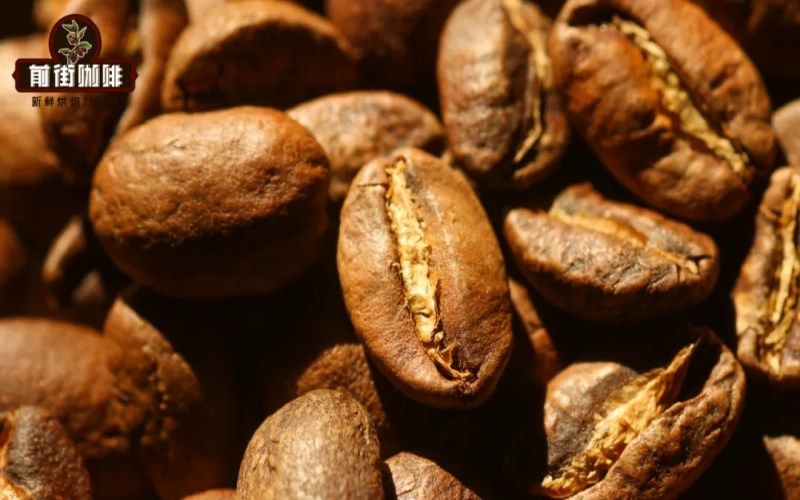
Lactic Acid Fermentation in Green Coffee Processing: Principles, Applications, and Flavor Impact
Lactic acid fermentation is widely used in the food industry, from kimchi to yogurt, it is indispensable. In the processing of green coffee beans, this technique is increasingly being adopted by more and more estates to create richer floral and fruity notes and a fuller body. This article guides you through the mechanism of lactic acid bacteria, their role in washed processing, and how controlled fermentation can achieve flavor breakthroughs. At the same time, the practical case of the Palm Tree and Toucan Estate in Colombia demonstrates the potential of lactic acid fermentation in specialty coffee. Front Street Coffee will also recommend related products worth trying. [more…]

Colombia Cauca Finca Paraiso Strawberry 2.0 Coffee Beans: Double Anaerobic Washed Processing and Pour-Over Flavor Analysis
Strawberry-flavored coffee has attracted much attention in recent years, and Strawberry 2.0 from Finca El Paraiso in Colombia's Cauca region is one of the most talked-about examples. This bean uses a double anaerobic washed process, is of the Castillo variety, and is grown at an excellent elevation of 2,050 meters, bringing aromas of strawberry yogurt, strawberry-juice-like acidity, and a long honey-like finish. In response to the higher moisture content of beans from the new harvest season, Front Street Coffee's roaster adopted a medium-light roast to highlight their floral and fruity character, and provided detailed V60 pour-over parameters and a three-stage pouring method. This article will comprehensively analyze the terroir of the Cauca region, the background of Finca El Paraiso, the principles of double anaerobic fermentation, and Front Street Coffee's cupping and brewing recommendations, taking you deeper into the unique charm of this Strawberry 2.0. [more…]

Starbucks Pink Drink is coming to mainland China soon: an ordering guide and flavor analysis for the Strawberry Lemon Refresher
Starbucks fans who have waited years for the Pink Drink will finally see it arrive in the mainland China market! According to Reuters, this globally popular pink beverage is expected to hit shelves between late May and early June this year, and its sister drink, the "Strawberry Lemonade Starbucks Refresher," will appear alongside it. The Pink Drink is centered on coconut milk and has a rich taste reminiscent of strawberry yogurt; the Strawberry Lemonade Starbucks Refresher uses lemonade as its base and is tart, refreshing, and light. Both products already launched in Hong Kong, Macau, and Taiwan as early as July last year. This article walks you through the Pink Drink's rise to fame and its launch timeline, and rounds up tasting and ordering tips from netizens in various countries, including practical suggestions such as less ice, less coconut milk, and adjusted sugar levels, to help you get the most on-point cup the moment it becomes available. [more…]
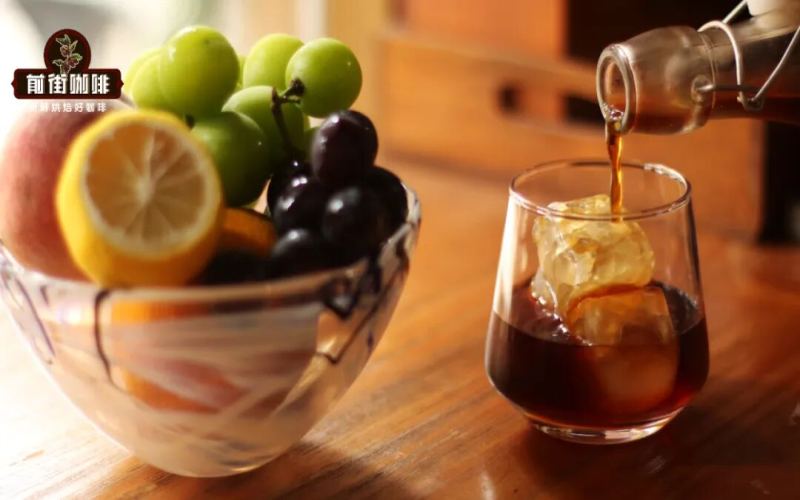
Coffee Flavor | What does "bright" mean in the context of bright coffee acidity? Which coffee beans produce pour-over coffee with bright acidity?
When evaluating a cup of coffee, we use various adjectives to describe its texture, so that the information others receive can be more vivid and three-dimensional. For example, when describing the mouthfeel of coffee, words like smooth and full-bodied are used to express the tactile experience of the coffee in the mouth; or when describing the aroma of a cup of coffee, [more…]
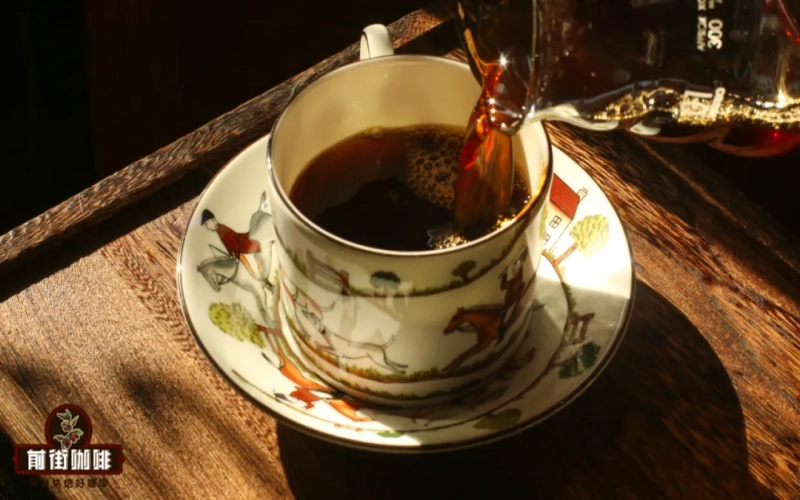
What Exactly Does "Bright" Coffee Acidity Mean? A Detailed Explanation from Acidity vs. Acid Quality to Practical Tasting Methods
In coffee circles, you often hear evaluations like "this cup of coffee has a very bright acidity," but what exactly does "bright" mean? This article, from the perspective of Front Street Coffee, first clarifies the difference between acidity and acid quality, then breaks down the specific manifestations of bright acidity in taste, aroma, and mouthfeel, and provides references to producing regions and bean lists where you can experience this type of flavor. If you've ever been confused by baristas' descriptive terms, this article will help you turn "bright" from abstract to concrete. [more…]
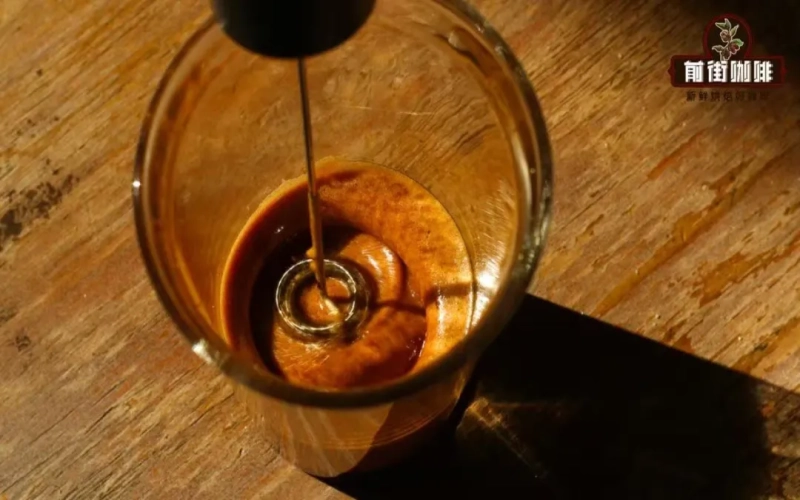
What Can Coffee Cream Be Used For? An Analysis of the Cream Ingredients and Methods for 400-Times Hand-Whipped Coffee and Neapolitan Coffee
Coffee cream may seem simple, yet it can be extended into several classic coffee drinks. This article centers on the making and use of coffee cream, outlining three methods—400-times hand-whipped coffee, Neapolitan coffee, and coffee ice cream—and explaining the differences between instant coffee powder and espresso in preparation. It also draws on Front Street Coffee's bean list recommendations, suggesting dark-roast beans suitable for making coffee cream, such as Front Street Classic Blend and Front Street Strawberry Candy Espresso, helping readers strike a balance of sweetness, texture, and flavor when recreating them. [more…]

Exploring Asia's Three Major Coffee-Producing Countries: Bean Flavors and Human Stories from Indonesia, India, and Vietnam
The Asian coffee-producing regions occupy a unique position in the global coffee landscape, known for their rich, full-bodied flavor profiles. Front Street Coffee has always been dedicated to tasting coffee beans from around the world, comparing different varieties, origins, and processing methods, and building a visual flavor database to help coffee enthusiasts gain a deeper understanding of the coffee world. This article focuses on Asia's three major coffee-producing countries—Indonesia, India, and Vietnam—outlining their respective coffee development histories, growing environments, variety characteristics, processing techniques, and signature flavors. From Indonesia's Mandheling, Java, and Sulawesi, to India's Monsooned Malabar and Robusta Kaapi Royale, and then to Vietnam's distinctive drip coffee with condensed milk, egg coffee, and yogurt coffee, we present one by one the diverse facets and cultural richness of Asian coffee. [more…]

Starbucks Pink Drink Gets Roasted on Its First Day in China: Does the Pink "Raw Caffeine" Actually Contain Coffee?
Starbucks' Pink Drink caused quite a stir on its first day of release in China, with many consumers reporting that its taste differs noticeably from versions in other regions—some even complaining it tastes like medicine. Meanwhile, another new release in the same series, the Pink Berry Lemonade Refresher with "raw coffee," also came under scrutiny for its taste. What's even more confusing is that the words "raw coffee" in the product name led many people to assume the drink would have a coffee flavor, when in fact no coffee taste can be detected at all. This article compiles real feedback from netizens and takes a deep dive into what "raw coffee" actually refers to, and why you can't taste any coffee in this drink. [more…]
The Origin and Evolution of Cream Coffee: From Vienna to Cappuccino and Modern Creative Takes
The pairing of cream and coffee has a long history, dating back to 17th-century Austria. This article will take you through the origin story of cream coffee, from the first-generation cream coffee at the Blue Bottle Café, to its evolution into cappuccino, and then to the traditional methods of Con Panna and Viennese coffee. We will also explore how modern baristas are reinventing cream, including a Starbucks secret menu and a recreation tutorial for the Korean-style Viennese coffee. Front Street Coffee sorts out this delicious history and creativity for you. [more…]

Specialty Coffee | Is Starbucks' all-ice Americano black coffee with light cream good? How can coffee beginners make authentic Viennese coffee at home?
Cream, a rich food with both a silky texture and a thick, creamy mouthfeel. Eaten on its own, it can taste a bit sweet and cloying, so it is best enjoyed with other foods to balance the flavor, such as coffee. In the world of coffee, the word "cream" does indeed appear often. In coffee tasting, it refers to mouthfeel. [more…]

A Complete Guide to Cream Coffee: From Classic Viennese Methods to Modern Creative Specialty Drinks
The combination of fresh cream and coffee began more than three hundred years ago. From the earliest cream coffees of Vienna, Austria, to the Korean-style Vienna coffee now sweeping social media, the role of cream in the world of coffee has continued to evolve. This article will trace the historical origins of cream coffee, explore the traditional methods for making Con Panna and Vienna coffee, and provide a detailed recreation of a currently popular vanilla cream Vienna coffee. Whether you are a seasoned connoisseur who prefers rich flavors or an enthusiast keen to try trendy new specialty drinks, you will find a cream coffee option worth trying in this article. [more…]
The Preparation Method and Historical Origins of Viennese Coffee: From Austrian Cream Coffee to Modern Trendy Specialty Drinks
The combination of cream and coffee has a long history, dating back to 17th-century Vienna, Austria. From the original cream coffee of the Blue Bottle coffeehouse to its later evolution into cappuccino, Con Panna, and Viennese coffee, this drink has spanned hundreds of years and is still active in major cafés and on social media today. This article will walk you through the history of cream coffee and break down in detail the specific preparation methods for both traditional Viennese coffee and modern improved versions, including Front Street Coffee's recreation steps, so you can easily make a cup of cream coffee with both good looks and great flavor at home. [more…]